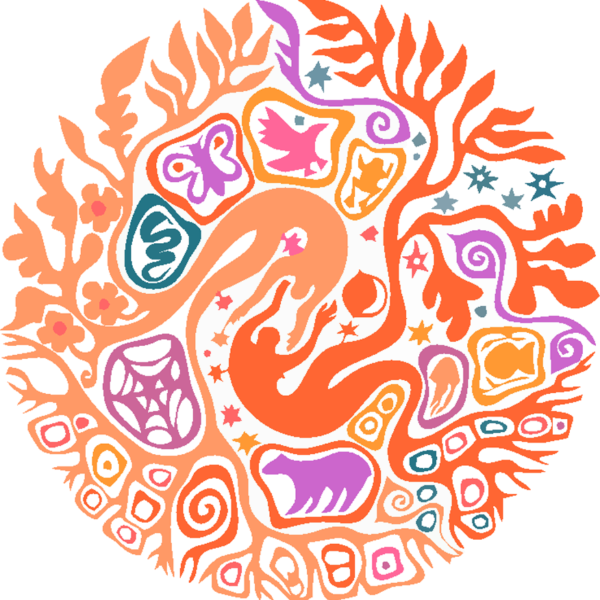
What is a RITUAL?
A ritual is a structured, repeated sequence of actions or behaviours that often holds symbolic meaning and is performed in a set, precise manner
RITUAL Definition & Meaning – Merriam-Webster
Ancient spiritual rituals and ceremonies across the world are deeply ingrained practices that reflect diverse beliefs, cultural identities, and connections to the sacred.
These rituals often involve specific actions, objects, and intentions designed to achieve spiritual goals, such as healing, purification, guidance, or communion with deities and ancestors [1] [3] [6]. Rituals can be shared by entire cultures or vary within families, with some traditions enduring through time while others face the risk of disappearing [1].
To heal the world, we need to understand the unique perspective of cultural differences.
DIVERSITY IN CUSTOMS
These customs, ranging from the mundane to the spectacular, serious to joyous, and sacred to secular, have been observed for millennia, often serving as a means to honour, remember, transform, and connect with spiritual realms or natural cycles [1] [2] [3].
Rituals are not limited to historical relics but continue to be practiced and revived in modern times, offering a sense of meaning, community, and continuity in an increasingly disconnected world [4] [5].
Key aspects and examples of ancient spiritual rituals and ceremonies
Honouring Anniversaries of the Deceased and, Ancestors: Many ancient rituals revolve around death and the afterlife.
-
- Early Burials and Offerings: Evidence from over 120,000 years ago shows intentional burials with bodies laid in fetal positions, dusted with red pigment, and accompanied by offerings like antlers, suggesting early human efforts to ritualize death and transform grief [3]. Red ochre, symbolizing life force and renewal, was a common element in Paleolithic (ancient stone age) burials across continents [3].
- Floral Offerings: The Natufian people, around 13,000 years ago, placed their dead on beds of sage and wildflowers, representing gestures of love and farewell [3].
- Cremation: Around 7000 BCE, cremation emerged as a practice to transform the deceased through fire, signifying purification and the release of the spirit [3].
- Day of the Dead (Día de los Muertos): This vibrant Mexican celebration, a direct descendant of ancient Maya and Aztec funerary rituals, involves creating altars with marigolds, candles, and food to welcome departed loved ones [2] [3].
- Famadihana (“Turning the Bones”): In Madagascar, this ritual involves exhuming ancestors, re-wrapping them in fresh shrouds, and dancing with them, reflecting a belief that spirits cannot fully join the afterlife until their bodies decompose [2].
- Samhain: An ancient Celtic festival marking the end of harvest and the start of winter, where the boundary between the living and the dead was believed to be thin. Modern revivals include honouring ancestors and lighting bonfires [4].
Healing and Spiritual Guidance
Sweat Lodges: Practiced by Native Americans and other cultures for thousands of years, these ceremonies involve intense steam baths in enclosed structures for physical detoxification and mental/spiritual development, encouraging healing, gratitude, and connection [1] [5].
Oracles and Shamans:
In places like Ladakh, India, oracles perform traditional rituals to provide physical healing or spiritual guidance, often entering trance-like states to channel spirits [1]. Siberian shamans mediate between the human and spirit worlds through fire ceremonies and rhythmic drumming [2].
Antler Baths in Siberia:
A practice observed, where leaders visit local shamans and take baths made from maral antler extract, believed to offer spiritual purification and healing, though scientific proof of health benefits is lacking [2].
Celebration and Community Bonding
Holi, the Festival of Colors – Hindu
An ancient festival celebrating spring and the triumph of good over evil, involving throwing coloured powders and water, music, and dance. It has spread globally as a symbol of unity and joy [2] [4].
Monkey Buffet Festival In Lopburi, Thailand
Locals offer an enormous buffet to thousands of macaques, believing it honours the monkey god Hanuman and brings good fortune [2].
Kanamara Matsuri Kawasaki, Japan (“Penis Festival”)
A Shinto festival in, celebrating fertility, healthy relationships, and good fortune, with participants carrying giant phallic- shaped portable shrines [2].
Kukeri Festival: An ancient pagan ritual in Bulgaria where men dress in animal pelts and masks to scare away evil spirits and usher in spring [2].
Sadeh Festival: An ancient Zoroastrian festival celebrating the triumph of light over darkness, revived by communities to reclaim cultural heritage through bonfires and storytelling [4].
Rites of Passage and Endurance
Bullet Ant Initiation Ritual – in the Amazon rainforest
The Sateré-Mawé people require young men to wear gloves woven with hundreds of bullet ants for ten minutes to become warriors, enduring excruciating pain multiple times [2].
Vanuatu Land Diving
An ancient ritual where young men jump from wooden towers with vines tied to their ankles, performed to ensure a good yam harvest [2].
Scarification Rituals
In many West African tribes, creating scars on the body symbolizes identity, rites of passage, and beauty, requiring immense pain and spiritual resolve [2].
Thaipusam Festival
A Hindu festival where devotees fulfil vows to the god Murugan by carrying elaborate altars pierced into their bodies, entering trance-like states as a display of devotion [2].
Tinku (“Ritual Fighting”) Festiva] – Bolivian Andes
An annual festival where communities engage in ritualistic fist fighting as a blood sacrifice to the earth goddess Pachamama for a bountiful harvest [2].
Connection to Nature and Cosmos
Megalithic Tombs: In Neolithic Europe, massive stone burial sites like Newgrange in Ireland were aligned with celestial events, suggesting a deep ritual significance and linking human mortality with the rhythms of the universe [3].
Temple Architecture: Ancient civilizations, such as the Egyptians, Mesopotamians, and Mayans, designed temples and sacred spaces to reflect cosmic symbolism and facilitate rituals that enacted order and connected with the divine [7]. Jaina temple architecture in India often depicts cosmic formations, allowing devotees to symbolically enter extraterrestrial space [7].
Pagan Ceremonies: Various forms of paganism, dating back to the Stone Age, emphasize the observance of nature and the celebration of seasonal changes, such as the summer solstice gatherings at Stonehenge [5].
Personal and Daily Practices
-
- Meditation: An ancient practice, traceable to at least 5,000 BCE, that has seen a resurgence for its benefits in self-awareness, inner peace, and spiritual development, practiced across various cultures and religions [5] [6].
- Dream Practice: Ancient cultures like the Tibetans, Egyptians, and Native Americans leveraged dream experiences for spiritual attainment, healing, and problem-solving, a practice that has gained modern scientific interest [5].
- Burning Incense/Candles: In Hindu traditions, lighting a diya or burning incense is seen as spreading light, cleansing energy, and honoring the divine [6].
-
- Prayer and Offerings: Practices like folding hands, bowing, and offering food to deities (prasadam in Hinduism) are gestures of humility, gratitude, and a way to minimize waste [6].
- Yoga: The art of achieving union within oneself, aligning body and mind, and a spiritual practice beyond physical poses [6].
These diverse rituals highlight humanity’s enduring need for meaning, connection, and a way to navigate the complexities of life and death [3] [4].
(All references Ask AI and links are correct at time of posting)
World’s Most Authoritative Sources
- Spiritual Rituals Around The World. Original Travel↩
- Wild Cultural Rituals: A Guide to the World’s Most Bizarre Tours. PG World↩
- The Oldest Rituals in the World. org↩
- Ancient Religious Festivals Revived in Modern Times. Universal Life Church↩
- 6 Ancient Spiritual Traditions That Are Still Practiced Today. A Sabbatical↩
- Spiritual Meaning of Religious Rituals. My Spiritual Shenanigans↩
- Heaven on Earth: Temples, Ritual, & Cosmic Symbolism in the Ancient World. The Oriental Institute, University of Chicago↩